
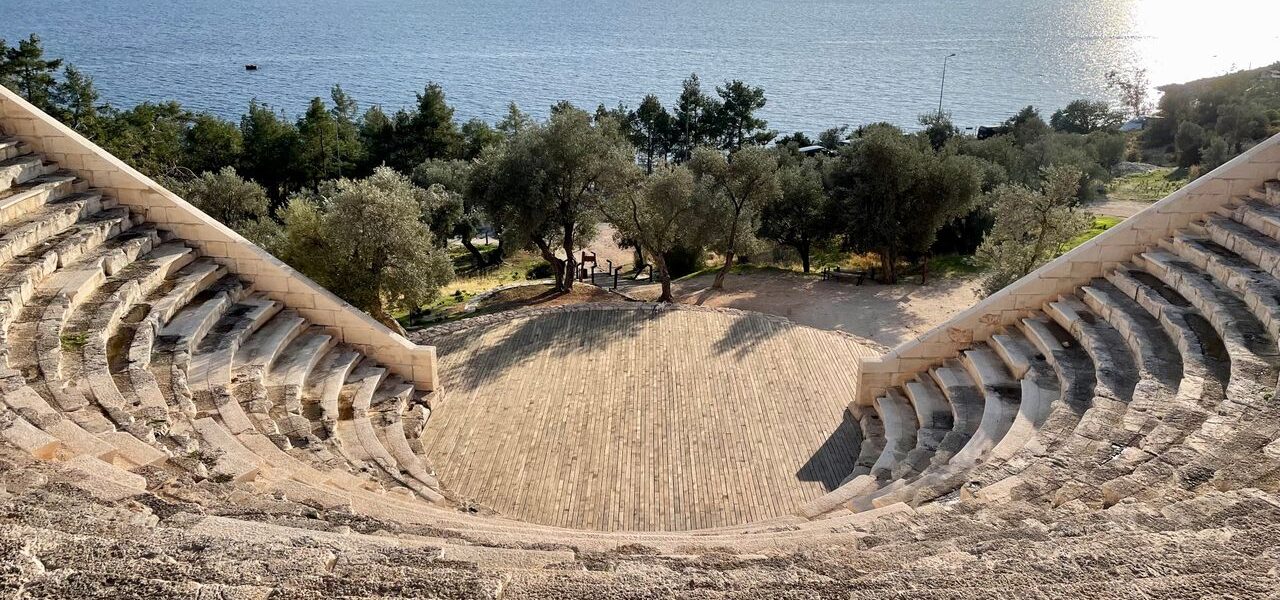
Hiking in Turkey offers much more than beautiful scenery. The country’s trails pass through pine forests, Mediterranean coves, high mountain valleys, traditional villages and archaeological sites that are sometimes accessible only on foot.
Turkey is already famous for Istanbul, Cappadocia, its ancient cities and its Mediterranean coastline. Yet beyond the major attractions, it is also one of the most rewarding hiking destinations in the eastern Mediterranean. In the space of a few days, walkers can move from turquoise beaches to the foothills of the Taurus Mountains, following old mule tracks, Roman roads and paths once used by local communities.
What makes hiking here particularly memorable is the relationship between landscape and history. A trail may begin above a quiet bay, cross an olive grove and end among Lycian tombs, Byzantine ruins or the remains of a Roman theatre. The scenery is never simply a backdrop: it is part of the story.
This guide focuses on three of the most important long-distance hiking trails in Turkey: the Lycian Way, the Carian Trail and the St Paul Trail. Each offers a distinct experience, from coastal walking and ancient ruins to remote mountain routes suited to more experienced hikers.

Why Go Hiking in Turkey?
Turkey’s geographical diversity makes it an exceptional destination for walkers. Along the southern and western coasts, mountains rise directly above the Mediterranean and Aegean seas. Further inland, forests, canyons, lakes and high plateaus create completely different hiking environments.
One of the main reasons to choose hiking in Turkey is the variety available within a relatively small area. You can walk above a beach in the morning, pass through a mountain village in the afternoon and finish the day beside an ancient city.
The historical dimension is equally important. Many of Turkey’s established trekking routes follow paths that existed long before modern roads. They connect ancient settlements, ports, sanctuaries, agricultural terraces and mountain communities.
Hiking is also one of the best ways to encounter local life away from the busiest resort towns. On multi-day routes, walkers stay in family-run guesthouses, eat regional food and pass through villages where tourism remains small-scale.
In our experience helping travelers plan time around Antalya and the Lycian coast, the most successful hiking trips are rarely the most ambitious ones. Choosing the right section for your fitness level, the season and the time available is usually more rewarding than trying to cover as many kilometers as possible.
Best Hiking Trails in Turkey at a Glance
| Trail | Best for | Approximate length | General difficulty | Main landscapes |
|---|---|---|---|---|
| Lycian Way | First long-distance hike in Turkey, coastal scenery and ancient sites | More than 500 km; the expanded official network is now listed at approximately 760 km | Moderate to challenging | Mediterranean coast, cliffs, pine forests, beaches and Lycian ruins |
| Carian Trail | Quiet routes, remote peninsulas and fewer hikers | Approximately 800 km | Moderate to challenging | Aegean coastline, olive groves, pine forests, bays and ancient Caria |
| St Paul Trail | Experienced hikers, mountain scenery and a more demanding route | Approximately 500 km | Challenging | Taurus Mountains, forests, canyons, Roman roads and inland lakes |
These figures describe the complete trail networks, but most visitors do not need to walk an entire route. Each trail can be divided into shorter sections, including day hikes and multi-day itineraries.
The Lycian Way: Turkey’s Most Famous Coastal Hiking Trail
The Lycian Way is the best-known long-distance hiking trail in Turkey. It connects the region around Fethiye with Antalya, following the mountainous Mediterranean coast through what was once ancient Lycia.
Older guides often describe the route as approximately 500 to 540 kilometers long. The trail has since been expanded, and the Culture Routes Society currently describes a 760-kilometer network linking Fethiye and the Antalya region.
The trail is made up largely of old footpaths, Roman roads and mule tracks. Underfoot, it can be rocky and uneven, with regular climbs and descents between the coastline and the mountains. It is not technically difficult throughout, but the heat, gradients and rough terrain should not be underestimated.
Ölüdeniz, Faralya and Butterfly Valley
The western sections near Fethiye contain some of the Lycian Way’s most recognizable landscapes. Around Ölüdeniz, the trail rises above the famous turquoise lagoon before continuing toward Faralya.
From the higher paths, hikers can enjoy impressive views over Butterfly Valley, where steep cliffs descend toward the Mediterranean. The route then continues through the area around Kabak and Alınca, both known for forested slopes, isolated accommodation and dramatic views over the coast.
These sections are popular because they provide an immediate combination of sea, mountains and village life. They can still be demanding, however, particularly in warm weather and on exposed climbs.
Kalkan, Xanthos and Letoon
Further east, the route passes through or close to Kalkan and several important sites connected to the ancient Lycian civilization.
Among the most significant are Xanthos and Letoon. The two neighboring archaeological sites form a UNESCO World Heritage property and preserve exceptional evidence of Lycian architecture, inscriptions and funerary traditions. You can learn more through the official UNESCO page for Xanthos-Letoon.
This section demonstrates why the Lycian Way is more than a scenic coastal walk. The trail connects places that were once part of an important network of Lycian cities, ports and religious centers.
Kaş and the Turquoise Coast
The town of Kaş is one of the most attractive bases along the trail. Its narrow streets, small harbor and Mediterranean atmosphere make it a pleasant place to rest between hiking stages.
The surrounding coastline includes rocky paths, quiet coves and clear water suitable for swimming. Some sections are more isolated than they appear on a map, so walkers should check water availability and transport options before leaving.
Çıralı, Olympos and the Chimaera
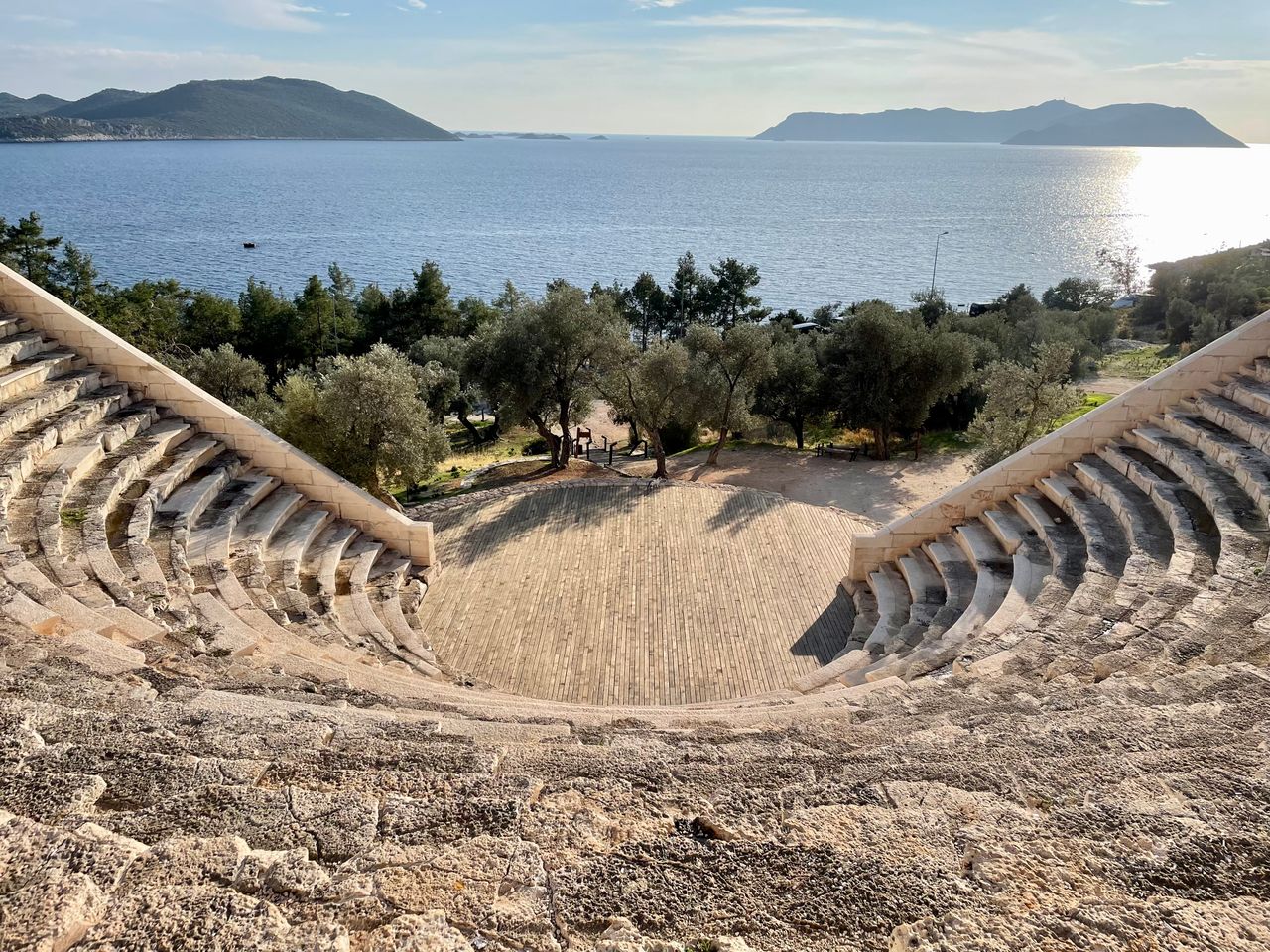
Toward the Antalya side of the route, the area around Çıralı and Olympos offers another memorable combination of hiking, beaches and archaeology.
Olympos preserves the remains of an ancient city among trees near the coast. Above Çıralı, the natural flames of the Chimaera, known locally as Yanartaş, emerge from openings in the rock and have been associated with local myths since antiquity.
These locations make it possible to combine shorter hikes with archaeological visits and time by the sea, which is particularly useful for travelers who do not want to undertake a continuous multi-week trek.
Who Is the Lycian Way Best For?
The Lycian Way is a strong choice for hikers who want:
- Mediterranean views and regular access to the coast;
- a mixture of nature, archaeology and village life;
- a route that can be divided into manageable day hikes;
- guesthouses and small hotels along many sections;
- a first experience of long-distance hiking in Turkey.
Travelers staying in Antalya can also explore selected routes without committing to the complete trail. A private English-speaking guide in Antalya can help organize a walking day around the Antalya region or the Lycian coast, adapt the route to the group’s level and add historical context to the sites encountered along the way.
The Carian Trail: A Wilder Alternative on the Aegean Coast
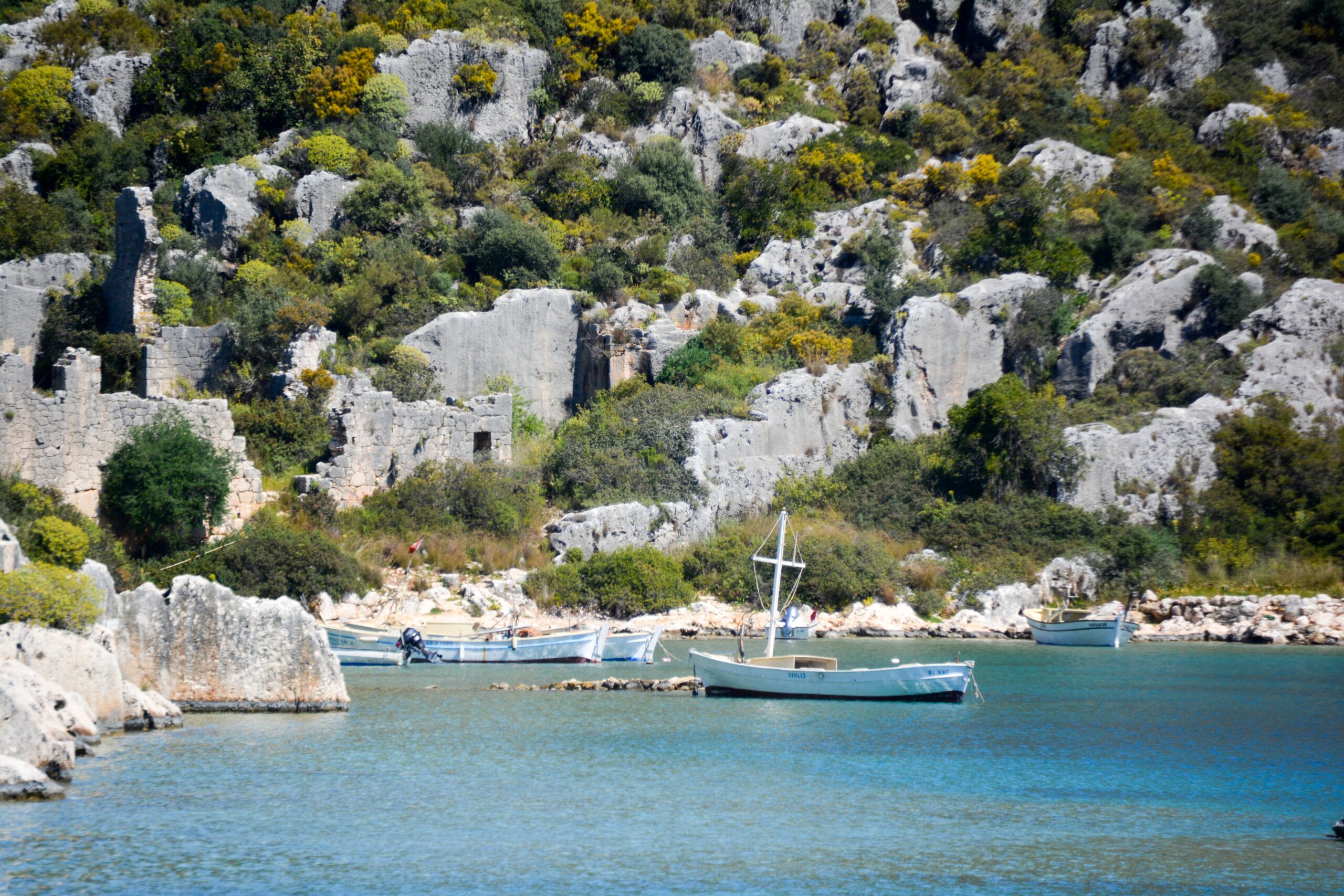
The Carian Trail is less famous than the Lycian Way, but it is one of the most extensive and varied trekking routes in Turkey. Covering approximately 800 kilometers, it crosses the ancient region of Caria through the modern provinces of Muğla and Aydın.
According to the Culture Routes Society’s Carian Trail guide, the route follows stone-paved caravan roads and mule paths connecting coastal settlements with the mountainous interior.
The trail passes through the Datça and Bozburun peninsulas, the Gulf of Gökova and the region around Lake Bafa. It is generally quieter than the Lycian Way and appeals to hikers looking for a more secluded journey.
The Datça Peninsula and Ancient Knidos
The Datça Peninsula is one of the most beautiful sections of the Carian Trail. Paths cross dry hills, almond groves, olive terraces and traditional settlements while offering wide views over the Aegean Sea.
At the western end of the peninsula lies Knidos, an ancient city positioned where the Aegean and Mediterranean seas meet. Its remote location makes the approach especially rewarding for walkers.
The landscape here feels open and exposed. Shade and water can be limited on some sections, so preparation matters even when the walking distance appears moderate.
The Bozburun Peninsula
The Bozburun Peninsula offers a quieter coastal experience, with fishing villages, small harbors and paths moving between mountain slopes and sheltered bays.
Villages such as Selimiye and Taşlıca, together with the area around ancient Amos, allow hikers to combine coastal scenery with a slower rhythm of local life.
This is one of the sections where the Carian Trail feels most removed from mass tourism. Depending on the route, walkers may pass long stretches with few services and limited public transport.
The Gulf of Gökova
Around the Gulf of Gökova, pine forests descend toward the shoreline and create a greener hiking environment. The contrast between forested hills and blue water is particularly striking in spring.
Even during the busier travel season, some paths remain relatively quiet. That sense of space is one of the Carian Trail’s strongest qualities, but it also means hikers should be more self-reliant.
Lake Bafa and Mount Latmos
The region around Lake Bafa and Mount Latmos offers a completely different landscape. Massive rock formations surround the lake, creating one of the most distinctive hiking environments in western Turkey.
The area contains prehistoric rock paintings as well as the remains of Heraclea at Latmos. Ancient walls, ruined buildings and rocky paths make this section especially attractive to walkers interested in archaeology.
The combination of inland scenery, historical remains and geological formations summarizes the character of the Carian Trail: remote, varied and deeply connected to the landscape of southwestern Anatolia.
Who Is the Carian Trail Best For?
The Carian Trail is particularly suitable for:
- hikers who prefer quieter and less crowded routes;
- travelers comfortable with more independent navigation;
- walkers interested in the Aegean coast and ancient Caria;
- people who enjoy village stays and remote landscapes;
- experienced hikers looking for an alternative to the Lycian Way.
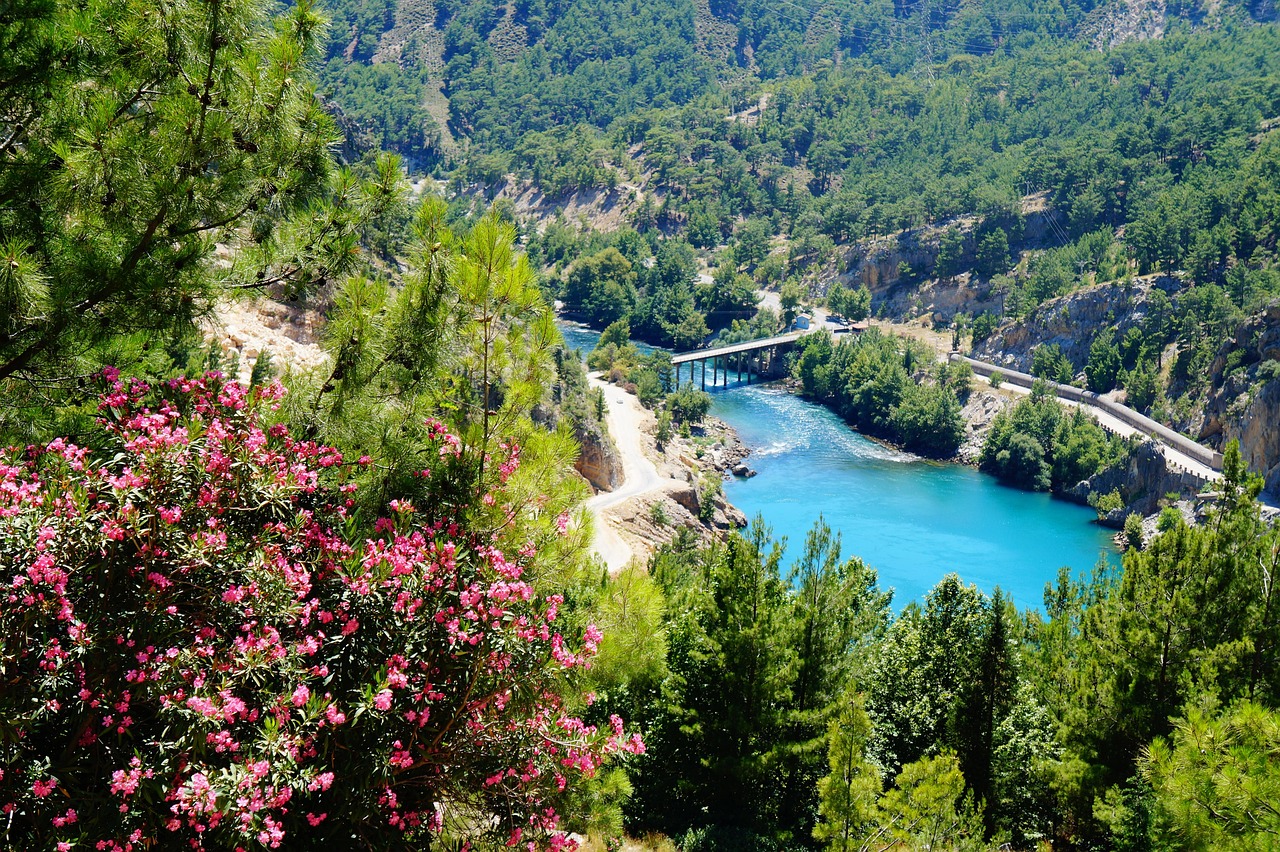
Mountain and lake landscape in Turkey
The St Paul Trail: A More Demanding Route Through the Taurus Mountains
The St Paul Trail offers a more mountainous and physically demanding experience than the Lycian Way or many sections of the Carian Trail.
The main route extends for approximately 500 kilometers from Perge, near Antalya, to Yalvaç, northeast of Lake Eğirdir. A second branch begins near Beşkonak and Köprülü Canyon before joining the main route around the ancient site of Adada.
The official St Paul Trail information describes a waymarked 27-day route using Roman roads, forest tracks and mountain paths. The trail starts near sea level and reaches elevations of approximately 2,200 meters, with higher optional summits.
Köprülü Canyon
One of the most impressive areas associated with the trail is Köprülü Canyon. The landscape combines steep canyon walls, pine forests and a river known for its clear turquoise water.
Ancient bridges and paths reflect the region’s long history as a passage through the mountains. Today, the canyon is also associated with outdoor activities such as rafting and canyoning.
The Ancient City of Selge
The route also gives access to Selge, an ancient city located high in the Taurus Mountains. Its surviving theatre, walls and other Roman remains stand within a dramatic mountain landscape.
The approach to Selge illustrates the character of the St Paul Trail particularly well. The archaeology is impressive, but reaching it requires more effort than visiting the better-connected sites along the coast.
Lake Eğirdir
The trail eventually reaches the region around Lake Eğirdir, one of Turkey’s most beautiful inland lakes. Surrounded by mountains, the lake provides a peaceful contrast to the demanding paths that precede it.
Eğirdir is also an important accommodation and transport point for hikers. It can serve as a useful base for shorter walks or as a place to rest during a longer itinerary.
Who Is the St Paul Trail Best For?
The St Paul Trail is better suited to hikers who:
- already have experience on long-distance or mountain trails;
- are comfortable with significant elevation changes;
- can carry additional water, food and camping equipment when necessary;
- want a quieter and more physically challenging route;
- are interested in Roman roads, early Christian history and rural Anatolia.
Which Hiking Trail in Turkey Should You Choose?
The right trail depends on your experience, interests and the kind of landscape you want to explore.
Choose the Lycian Way if you want the classic combination of Mediterranean coastline, ancient ruins, villages and relatively accessible accommodation. It is the easiest of the three routes to divide into short sections.
Choose the Carian Trail if you value quiet landscapes, the Aegean coast and routes that feel less visited. It offers exceptional variety but may require more independent organization.
Choose the St Paul Trail if you are an experienced walker looking for higher mountains, greater physical difficulty and a more remote journey through the Taurus range.
None of these trails needs to be completed from beginning to end. For most visitors, a carefully selected three- to seven-day section provides a better balance between hiking, sightseeing and rest.
Other Ways to Go Hiking in Turkey
This article focuses on Turkey’s major long-distance trails, but hiking experiences in the country are not limited to multi-day coastal and mountain routes.
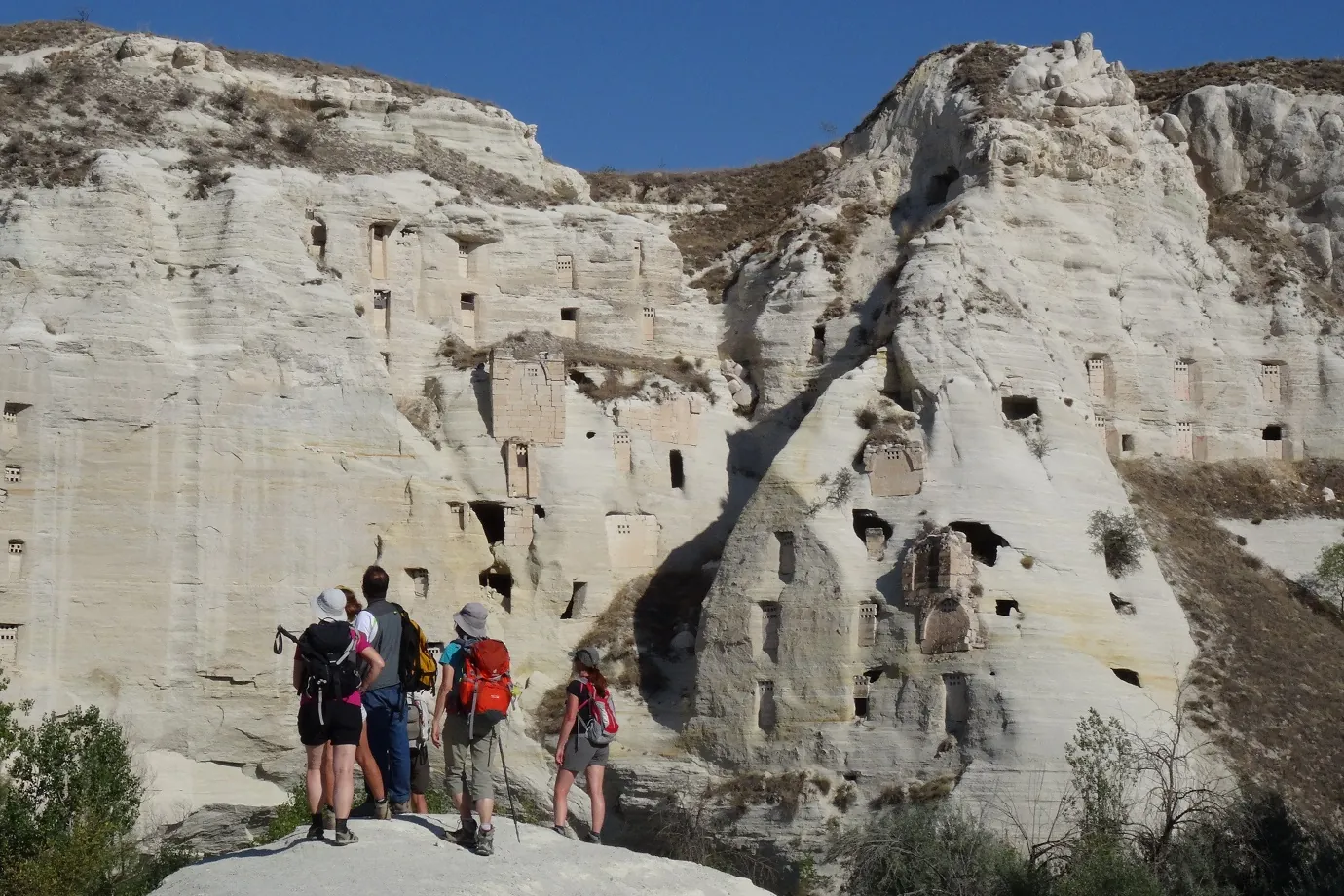
For volcanic valleys, rock-cut churches and a manageable one-day walk, read our guide to a Cappadocia hiking tour through Rose Valley and Red Valley. This route offers a completely different landscape from the Mediterranean trails described above.
Travelers who prefer history and city walking can also discover our urban hike along the Walls of Constantinople in Istanbul. It follows the city’s historic land walls and is best understood as a long historical walk rather than a nature trail.
Keeping these subjects separate is useful when planning a trip: the Lycian, Carian and St Paul routes are long-distance trekking experiences, while Cappadocia and Istanbul are better suited to individual day hikes or walking tours.
Best Time for Hiking in Turkey
The best season for hiking in Turkey depends on the region. For the Mediterranean and Aegean trails covered in this guide, spring and autumn generally offer the most comfortable conditions.
Spring: April to June
Spring brings mild temperatures, longer days and greener landscapes. Wildflowers are common, particularly on coastal and lower mountain sections.
April and May are usually excellent months for the Lycian Way and Carian Trail. Higher sections of the St Paul Trail may remain cooler and can experience more changeable weather.
Autumn: September to November
Autumn is another excellent season. The sea remains warm along much of the southern coast, while daytime temperatures become more comfortable for walking.
September can still be hot, particularly on exposed coastal sections. October and early November often provide a good balance of warmth and manageable hiking conditions.
Summer: July and August
July and August are usually too hot for long hikes along the Mediterranean coast. Exposed paths, limited shade and high temperatures can make even moderate routes exhausting.
When summer walking cannot be avoided, start early, choose shorter routes, carry more water than you expect to need and avoid the hottest hours of the afternoon.
Winter
Some lower coastal sections remain accessible in winter, but conditions are less predictable. Rain can make rocky paths slippery, while higher mountain routes may receive snow.
Always check local weather and recent trail information before starting, particularly on remote sections.
Practical Tips for Hiking in Turkey
Choose Your Route by Terrain, Not Only Distance
A 12-kilometer coastal trail with steep, rocky climbs may take much longer than a similar distance on a forest road. Elevation, heat, water access and underfoot conditions matter as much as mileage.
Carry Enough Water
Water availability varies greatly between routes and seasons. Springs shown on older maps may be dry, while cafés and village shops can close outside the main travel season.
Ask locally whenever possible and begin each stage with enough water for delays or navigation errors.
Use Offline Navigation
Many routes are marked with red-and-white trail signs, but markings can fade, disappear or become difficult to follow around settlements and road crossings.
Download an offline GPS track before leaving. Applications such as Wikiloc and other dedicated hiking platforms can be useful, but they should complement rather than replace preparation and judgment.
Wear Proper Hiking Shoes
The Lycian Way and St Paul Trail frequently cross hard, loose and uneven stone. Lightweight hiking shoes with good grip are usually more appropriate than ordinary trainers or sandals.
Hiking poles can also be helpful on long descents and unstable surfaces.
Prepare for Limited Services
Some villages have guesthouses, markets and restaurants, while others offer very few services. Carry cash, snacks, a basic first-aid kit and a power bank.
Do not assume card payments will be accepted in small rural businesses.
Check Accommodation in Advance
Family-run pensions and small hotels are available along many popular sections of the Lycian Way. Accommodation is less consistent on remote parts of the Carian and St Paul trails.
During spring and autumn, contact guesthouses before arriving, especially when walking in a small group or visiting less populated sections.
Respect Archaeological and Natural Sites
Do not climb on unstable ruins, enter unsafe rock-cut structures or remove stones and artifacts. Avoid carving names into rock surfaces and take all waste with you.
Many of these trails cross environmentally and historically sensitive areas whose preservation depends partly on responsible visitors.
Should You Hike Independently or with a Guide?
Independent hiking is possible on all three routes, particularly for experienced walkers equipped with updated maps and GPS tracks.
A guide becomes especially valuable when the route includes complicated transfers, poorly marked sections or archaeological sites that are difficult to understand without context. Guided day hikes are also useful for travelers who want to walk without carrying camping equipment or organizing every logistical detail.
Around Antalya and the eastern Lycian coast, working with a local English-speaking guide can make it easier to combine walking with visits to ancient cities, mountain villages and coastal viewpoints.
A guide should not simply lead the way. A good hiking guide adapts the route to the group, monitors weather and trail conditions, explains the landscape and knows when a planned itinerary should be shortened or changed.
FAQ About Hiking in Turkey
Is Turkey a good destination for hiking?
Yes. Turkey offers coastal trails, mountain routes, forests, canyons, volcanic valleys and paths linking ancient cities. It is particularly rewarding for hikers who are interested in both nature and history.
What is the most famous hiking trail in Turkey?
The Lycian Way is Turkey’s best-known long-distance hiking trail. It follows the Mediterranean coast between the Fethiye and Antalya regions and passes beaches, forests, villages and ancient Lycian sites.
What is the best hike in Turkey for beginners?
Beginners should choose a short section rather than attempting an entire long-distance route. Selected stages of the Lycian Way near established towns and guesthouses are generally easier to organize than the remote sections of the Carian or St Paul trails.
Is the Lycian Way difficult?
The difficulty varies considerably. Some stages are accessible to reasonably fit walkers, while others involve steep climbs, loose rocks, long distances and limited water. The complete route requires preparation and endurance.
Can you hike the Lycian Way without camping?
Yes, many popular sections have pensions, village accommodation and small hotels. However, a few remote or high-level stages may require more careful planning or camping equipment.
Is the Carian Trail well marked?
The Carian Trail is waymarked, but its length and remoteness mean navigation can still be challenging. Carry an updated map or GPS track and check recent route information before departure.
Is the St Paul Trail suitable for beginners?
The St Paul Trail is generally better suited to experienced hikers. It includes remote terrain, substantial elevation changes and sections where accommodation or supplies are limited.
What months are best for hiking in southern Turkey?
April, May, October and early November are generally among the best months for hiking along the southern coast. Conditions vary from year to year, so check the forecast and trail status before starting.
Do I need a guide for hiking in Turkey?
A guide is not compulsory on the established routes, but guided hiking can be useful for first-time visitors, mixed-ability groups, archaeological interpretation and remote routes with complicated logistics.
Hiking in Turkey: Where Nature and History Meet
Choosing to go hiking in Turkey means discovering a country where landscape and history are rarely separated. Mediterranean cliffs rise above ancient ports, forest paths connect mountain villages and old roads lead toward ruins that have stood for centuries.
The Lycian Way is the natural first choice for many travelers because of its coastal scenery, accessibility and remarkable archaeological heritage. The Carian Trail offers a quieter and wilder alternative along the Aegean coast, while the St Paul Trail presents a more demanding journey through the Taurus Mountains and inland Anatolia.
Whether you choose a single day, a week-long section or a complete long-distance route, the most important part of the experience is allowing enough time to understand the landscape. Turkey’s trails are not simply routes from one point to another. They are journeys through living villages, ancient civilizations and some of the most beautiful scenery in the Mediterranean world.